When CPAP Doesn't Fit: Rethinking Sleep Apnea Treatment
For many people, sleep apnea therapy begins with a CPAP machine. However, a mask and hose are not a comfortable fit for everyone. When nightly use becomes a struggle, other options deserve a closer look.
Patients searching for a sleep apnea dentist in Vienna, VA, are often looking for exactly that: a different path that still treats the problem seriously.

Why CPAP Is Still the Starting Point
A joint clinical guideline from the American Academy of Sleep Medicine and the American Academy of Dental Sleep Medicine names CPAP as the first-line option for obstructive sleep apnea. The same guideline recognizes oral appliance therapy as an effective alternative for adults who cannot tolerate CPAP or prefer another approach.
The guideline also states that CPAP is superior at reducing sleep-disordered breathing. Patient adherence to an oral appliance, however, may be higher than for CPAP.
How an Oral Appliance Works
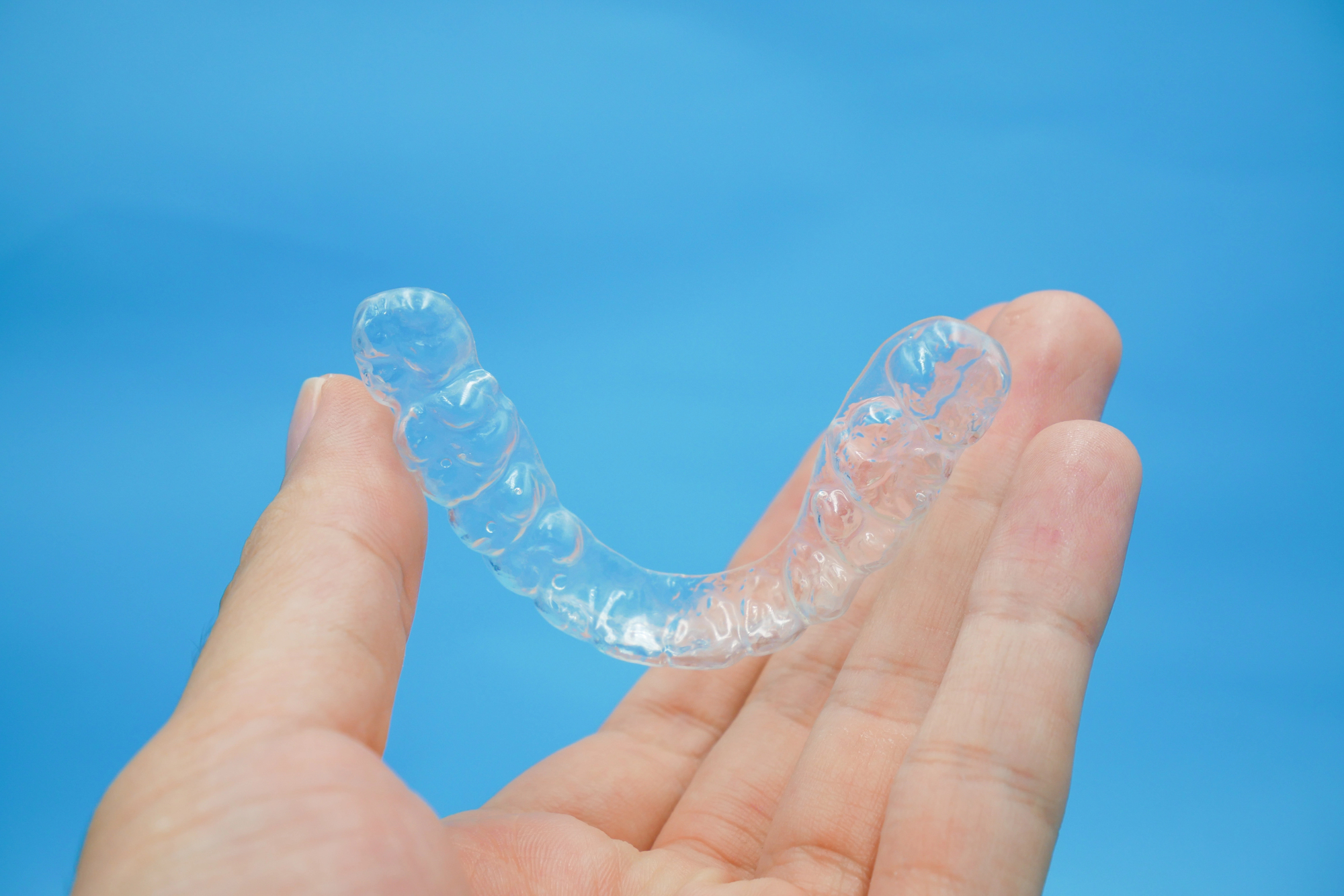
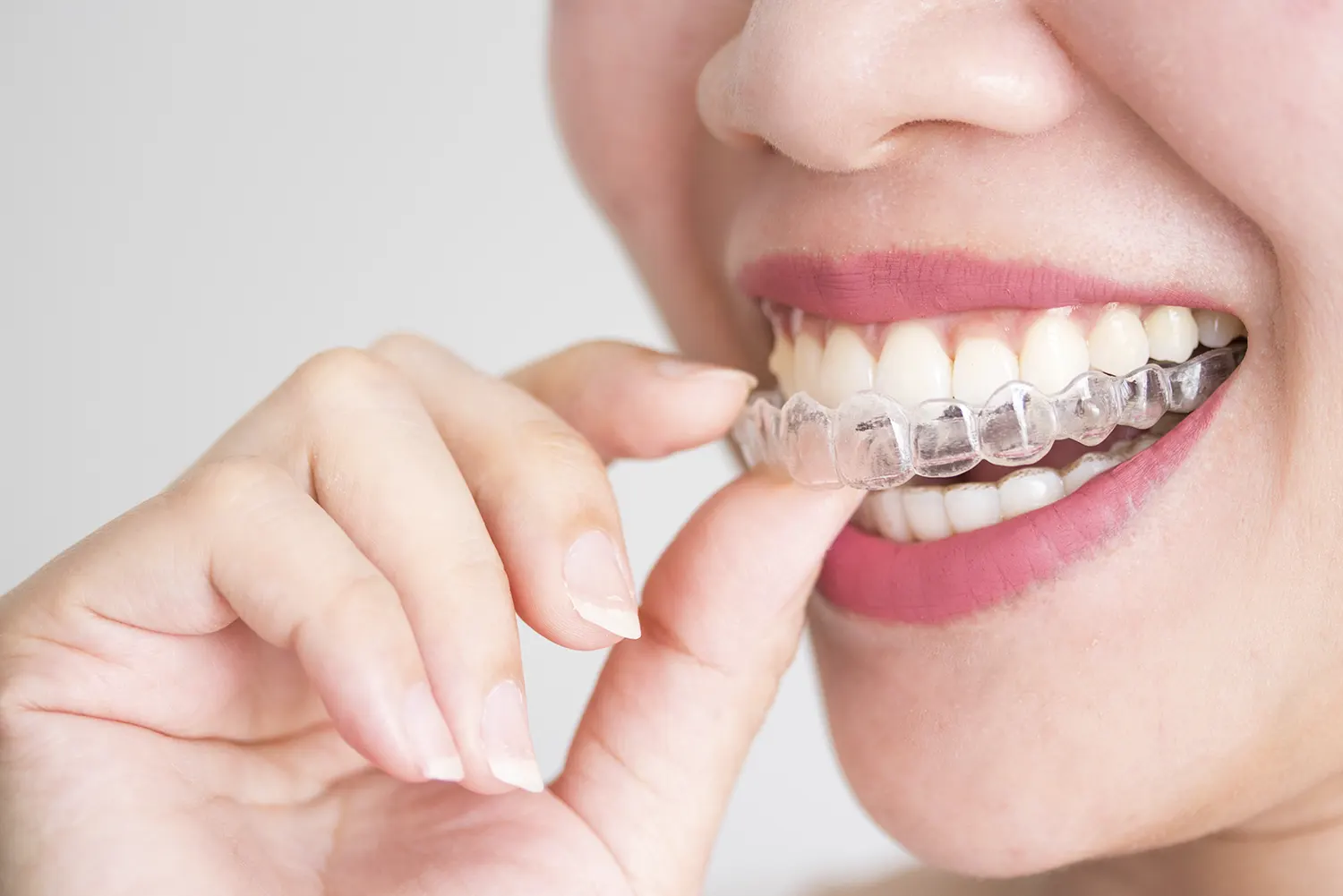
A custom oral appliance is worn during sleep and moves the lower jaw forward, which helps keep the airway open. Cleveland Clinic's overview of oral appliance therapy notes that these devices work best for mild to moderate sleep apnea in people who cannot use CPAP.
Results vary, and some patients see little improvement, so an appliance is not a cure. Cleveland Clinic also reports that custom-made devices offer the best results compared with over-the-counter versions.
What the Process Typically Involves
A typical path looks like this:
- A sleep study and diagnosis from a physician
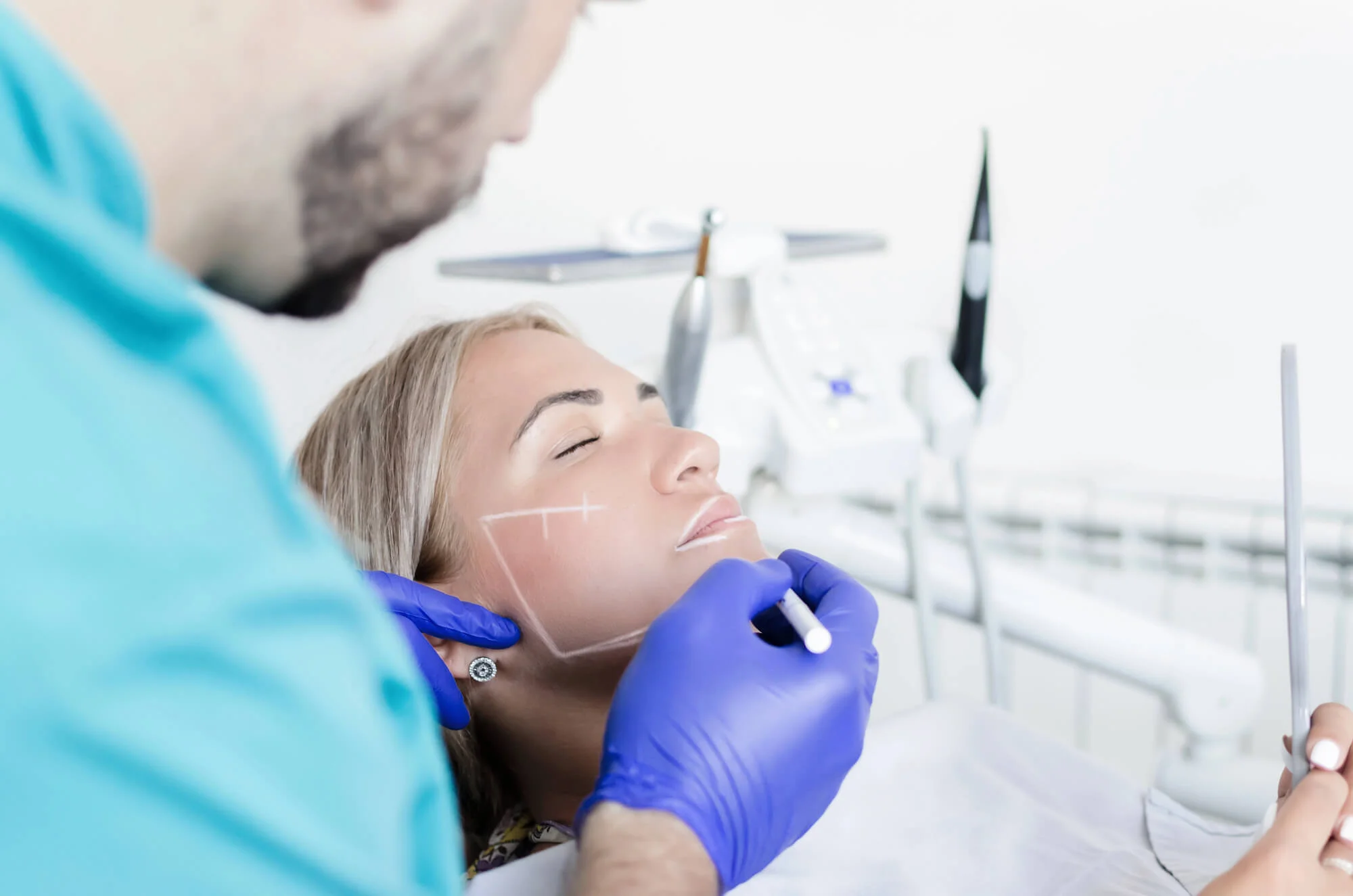
- Impressions or a 3D scan to design a custom device
- A fitting visit to confirm comfort and stability
- Follow-up visits to monitor results and make adjustments
Healthy teeth and gum health matter because the appliance rests against them during sleep.
Adjusting and Staying on Track
Cleveland Clinic notes that adjusting to an appliance takes about two to four weeks, with temporary jaw soreness or extra saliva common early on. Bite changes or tooth movement are uncommon with a properly fitted device, which is why follow-up matters.
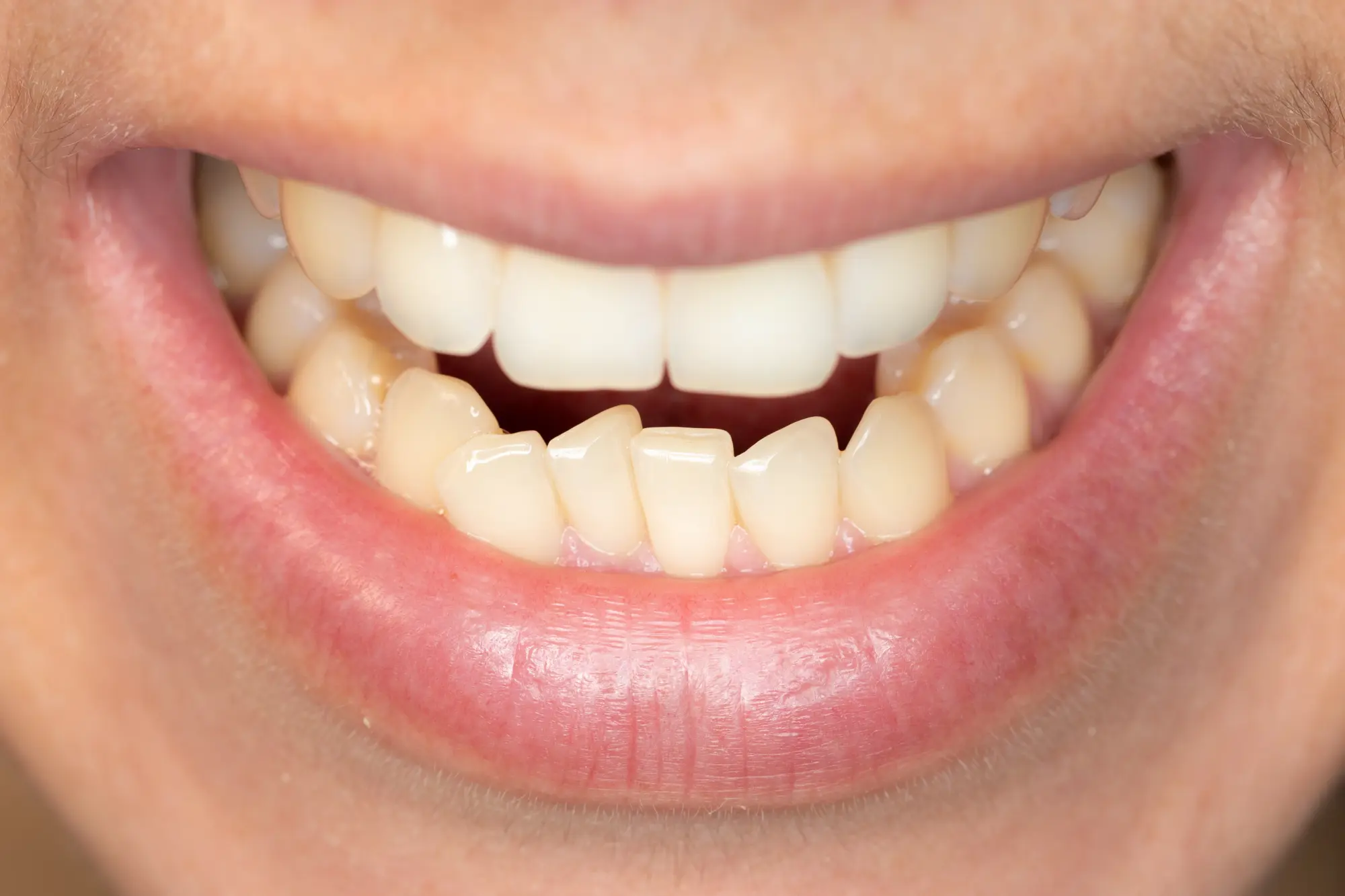
Patients who notice a shifting bite can discuss orthodontic options with their dentist. Regular teeth cleaning visits also give the dental team a chance to check for changes over time.
Frequently Asked Questions About Oral Appliances
Can an Oral Appliance Replace CPAP for Everyone?
No, and a physician helps decide which option fits. Cleveland Clinic warns that managing severe obstructive sleep apnea with an appliance alone can be dangerous.
Is an Over-the-Counter Mouthpiece the Same Thing?
Boil-and-bite devices are sold without a prescription, but Cleveland Clinic says they are not the best option. A custom device made from impressions or a scan is designed for a precise fit.
Will an Oral Appliance Stop Snoring?
Cleveland Clinic says oral appliance therapy can reduce or eliminate snoring and improve daytime sleepiness for some people. Results differ from person to person, so follow-up sleep testing helps confirm how well the device is working.

Talk to a Sleep Apnea Dentist in Vienna, VA
Struggling with CPAP and wondering what comes next? Schedule a dental exam with Vienna Smiles to discuss custom oral appliance options with a sleep apnea dentist in Vienna, VA, and find out whether this path aligns with the diagnosis already in place.