How Long Should Dentures Last?
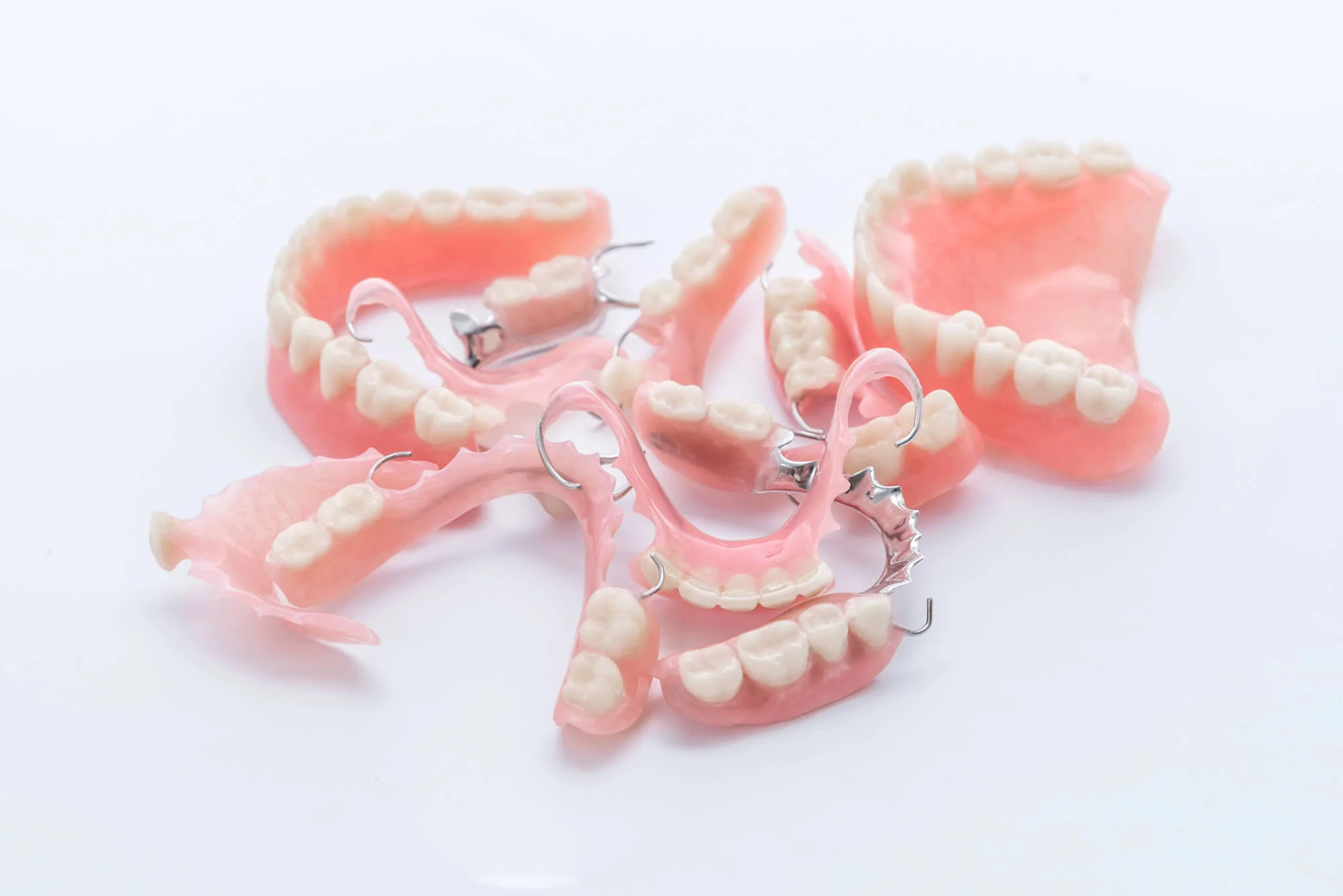
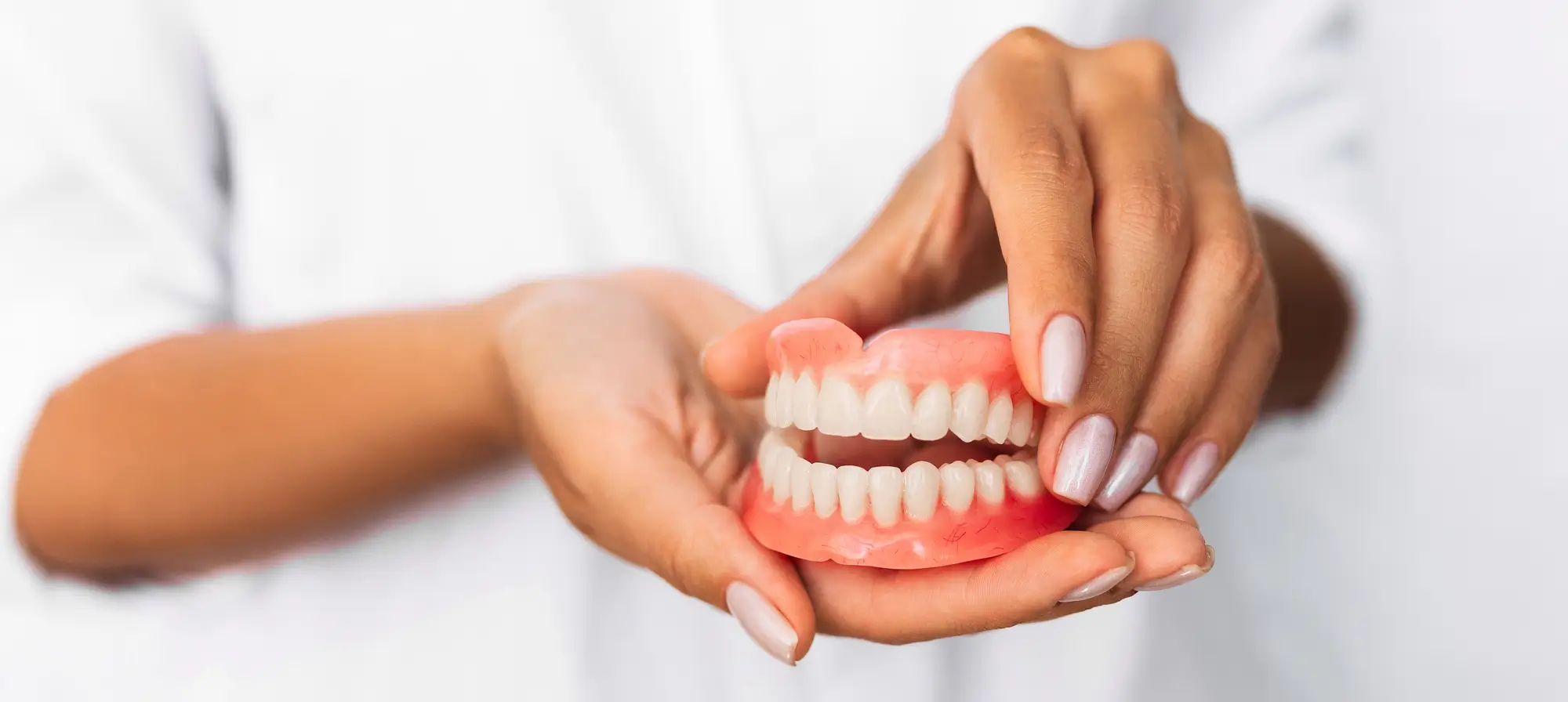
Modern removable dentures offer a practical solution for individuals missing multiple teeth, restoring both chewing function and facial appearance. However, these prosthetic appliances do not last forever and typically require replacement every five to seven years.
Individuals seeking a permanent solution often explore options for dental implants in Vienna, VA to replace aging prosthetics. Understanding the longevity of removable appliances helps patients maintain optimal oral health over time.

Key Factors That Influence Denture Longevity
Material Wear and Daily Tear
Acrylic resins and porcelain artificial teeth undergo continuous friction during daily chewing and speaking activities. Over several years, these materials gradually thin out, develop micro-scratches, or lose their original luster.
According to medical literature on full dentures, continuous mechanical stress causes artificial teeth to flatten out over time. This wear reduces chewing efficiency and can place unnecessary strain on the jaw joints.
Structural Changes in the Jawbone
Natural tooth roots stimulate and preserve the underlying jawbone tissue. When teeth are missing, the jawbone undergoes a continuous natural process called bone resorption.
As the bone structure shrinks, the fit of the prosthetic device steadily deteriorates. This shifting foundation causes appliances to loosen and wobble during routine conversation.
Clear Signs It Is Time to Replace Your Dentures
Slipping and Fit Difficulties
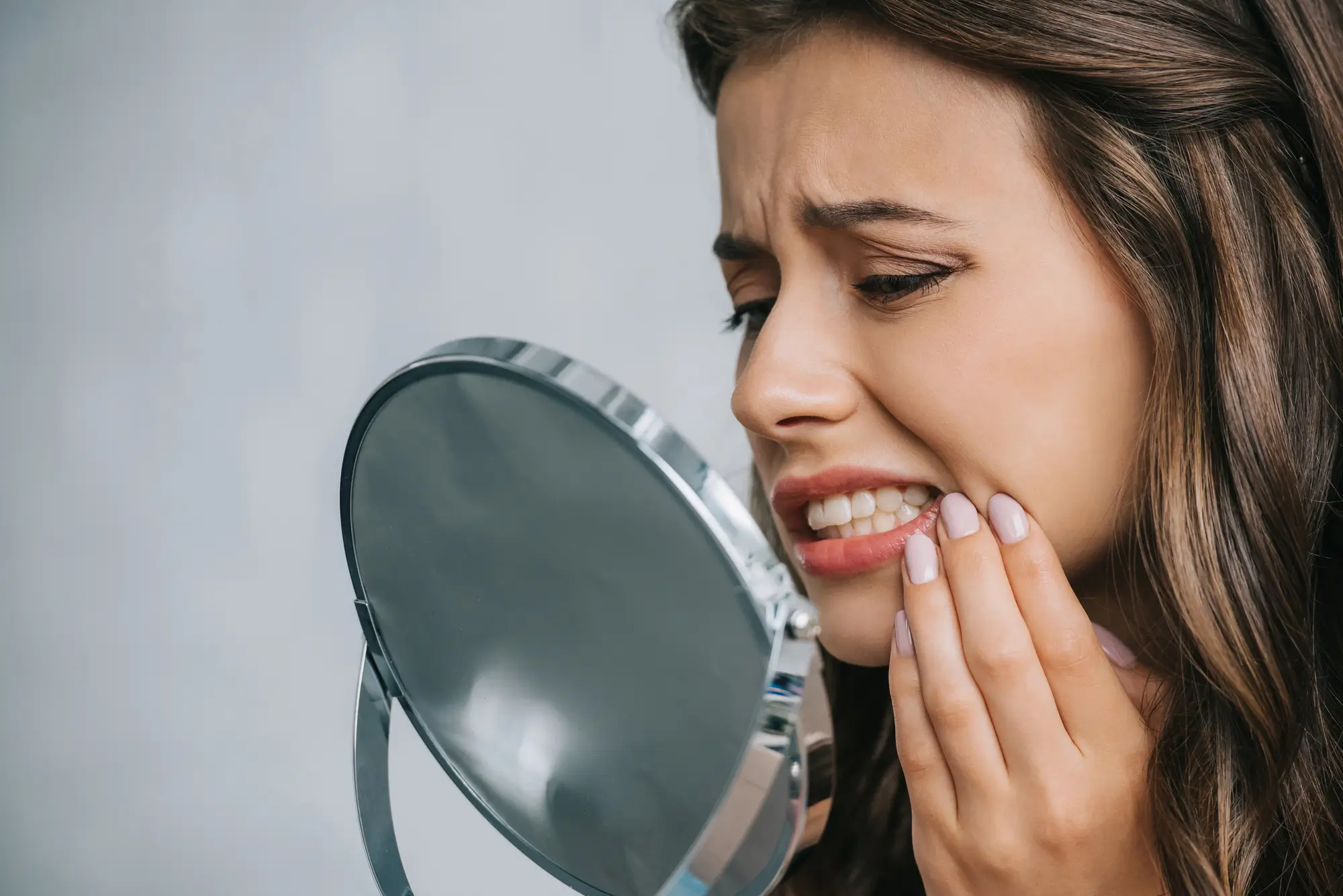
Prosthetics that frequently slide around indicate significant anatomical changes in the mouth structure. Relying heavily on denture adhesives throughout the day is a major indicator that an upgrade is necessary.
Chronic Soreness and Appliance Damage
Persistent gum irritation or localized sores often stem from an uneven bite alignment caused by a worn device. Furthermore, visible cracks or persistent odors signal structural compromise within the acrylic material.
Adhering to proper daily maintenance helps delay wear, but cannot prevent natural material degradation indefinitely. Patients experiencing recurring discomfort should seek a professional evaluation promptly.
Exploring Permanent Alternatives for Tooth Replacement
Advanced Fixed Restorations
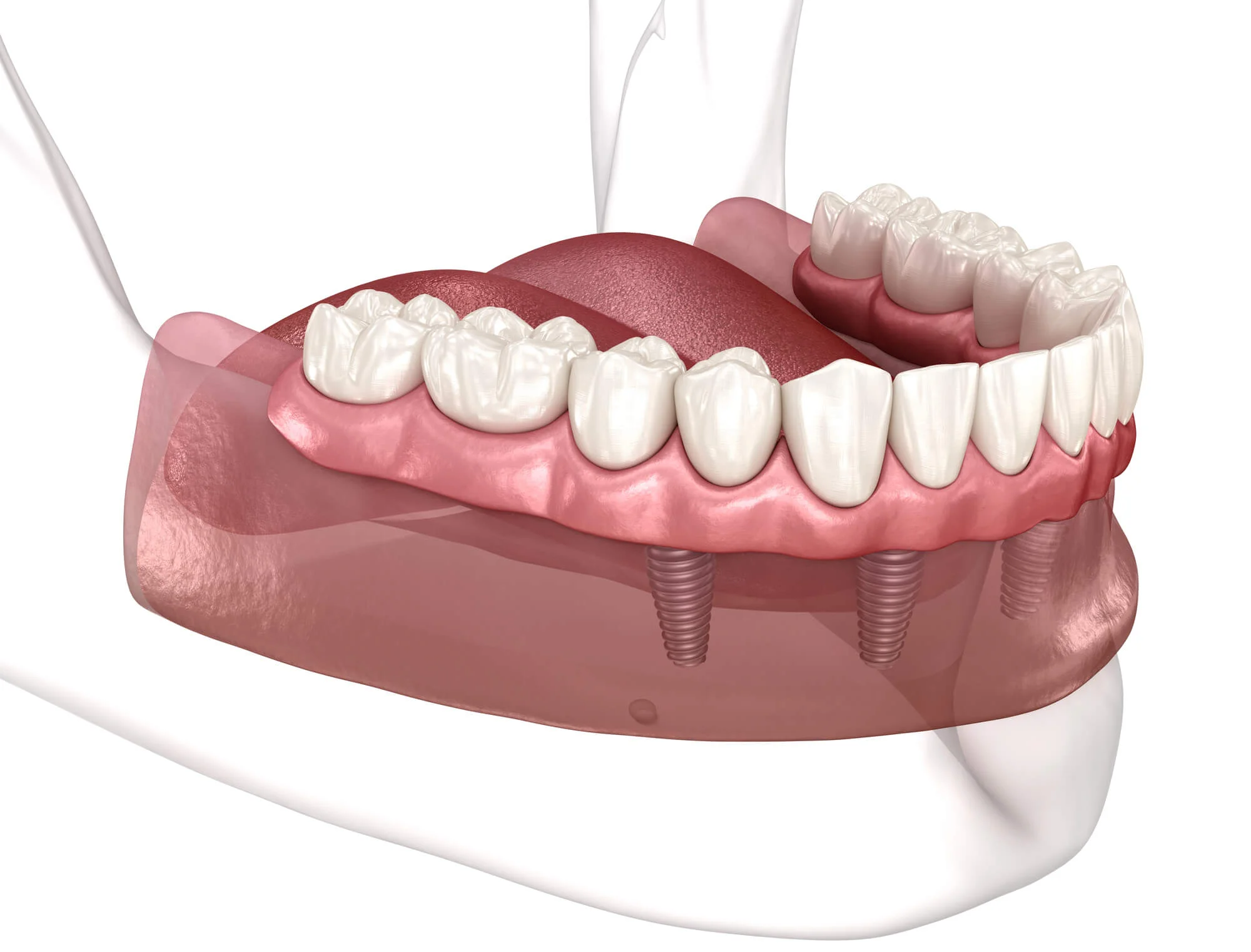
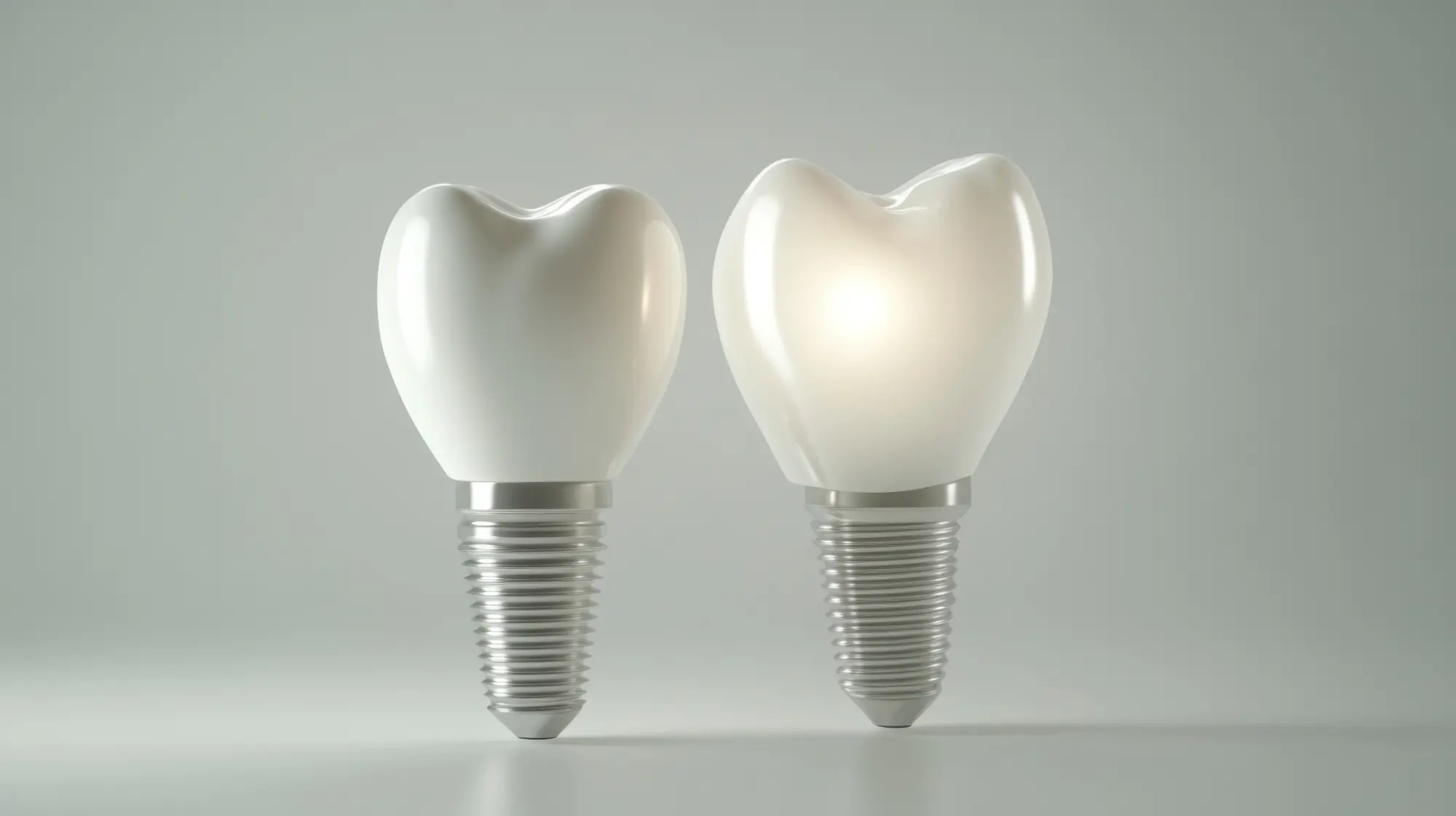
Many individuals choose to transition from removable devices to fixed tooth replacements. These modern systems integrate directly with the jawbone, providing unmatched stability and stopping jawbone atrophy.
Maintaining strong underlying bone supports overall periodontal health and prevents a prematurely aged facial appearance.
Comparing Crowns, Bridges, and Complete Anchors
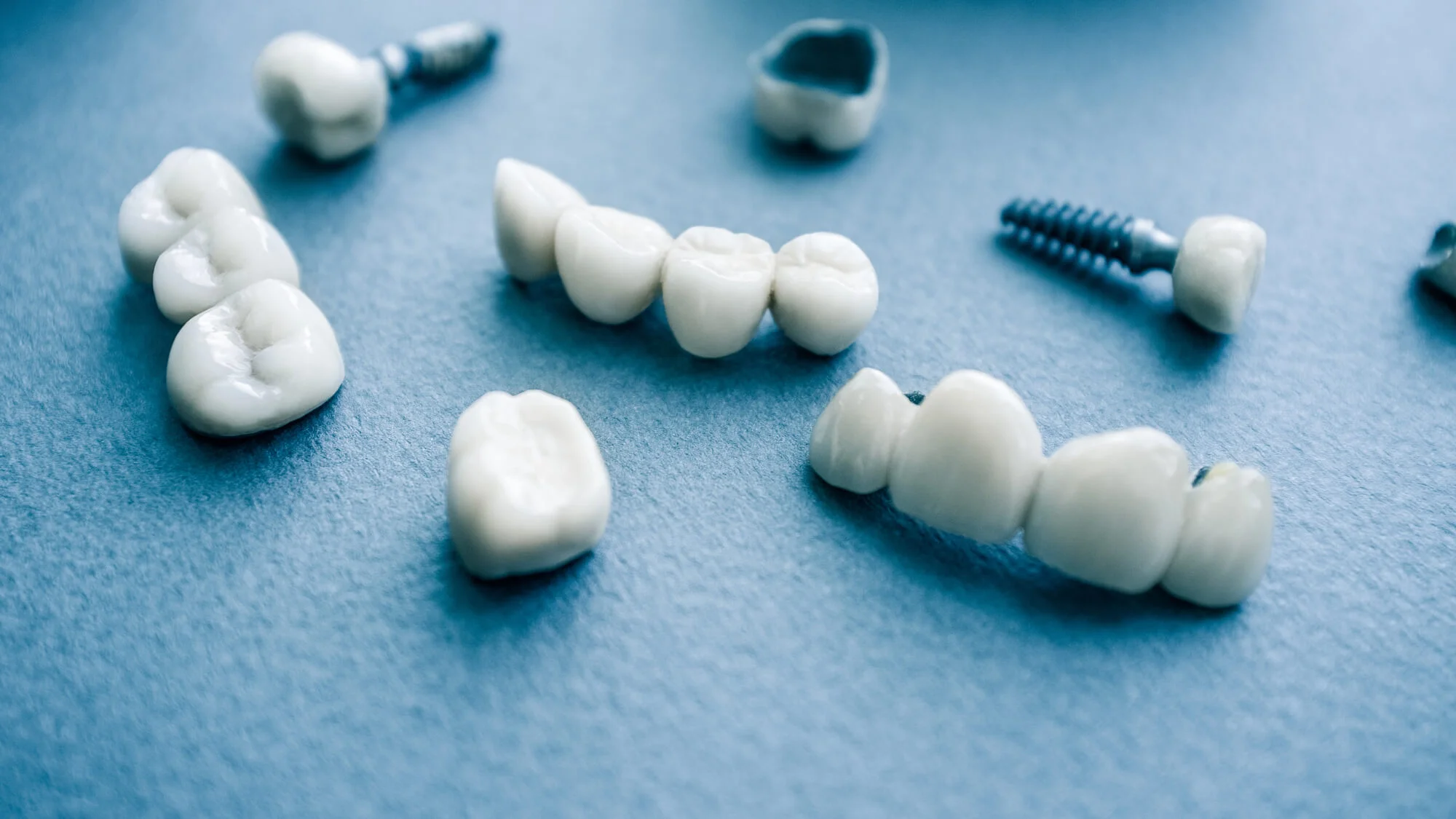
For individual missing teeth, patients frequently select custom crowns or a fixed dental bridge to fill visible gaps. However, anchor-supported full arches offer a comprehensive solution for complete tooth loss without depending on adjacent natural teeth.
Evaluating individual implant options allows patients to select a long-term treatment plan tailored to their specific lifestyle goals.
Key Indicators That Call for an Upgrade
Here are primary signs that a removable prosthetic device needs professional attention:
- Noticeable looseness or slippage during speech.
- Persistent mouth sores or inflamed gum tissue.
- Difficulty chewing previously manageable foods.
- Visible cracks, chips, or deep surface discoloration.
- A sunken appearance around the cheeks and jawline.
Frequently Asked Questions About Denture Lifespan
How often should traditional dentures be replaced?
Most oral health specialists recommend replacing traditional removable appliances every five to seven years. Regular professional evaluations determine whether a reline or complete replacement is necessary.
Can damaged false teeth be repaired?
Minor surface chips can occasionally be repaired in a specialized dental laboratory. However, major structural cracks usually require fabricating a brand-new custom prosthetic.
Why do prosthetics loosen after several years?
Prosthetics loosen primarily because the jawbone naturally shrinks over time when natural tooth roots are missing. This continuous structural change alters the contours of the gums, reducing prosthetic suction.
Upgrade Your Smile with Dental Implants in Vienna, VA
If you are tired of loose prosthetics or want a permanent, worry-free tooth replacement solution, the team at Vienna Smiles is here to help. Please feel free to contact us today to schedule your consultation and learn how dental implants in Vienna, VA can completely restore your smile and confidence!



.png)