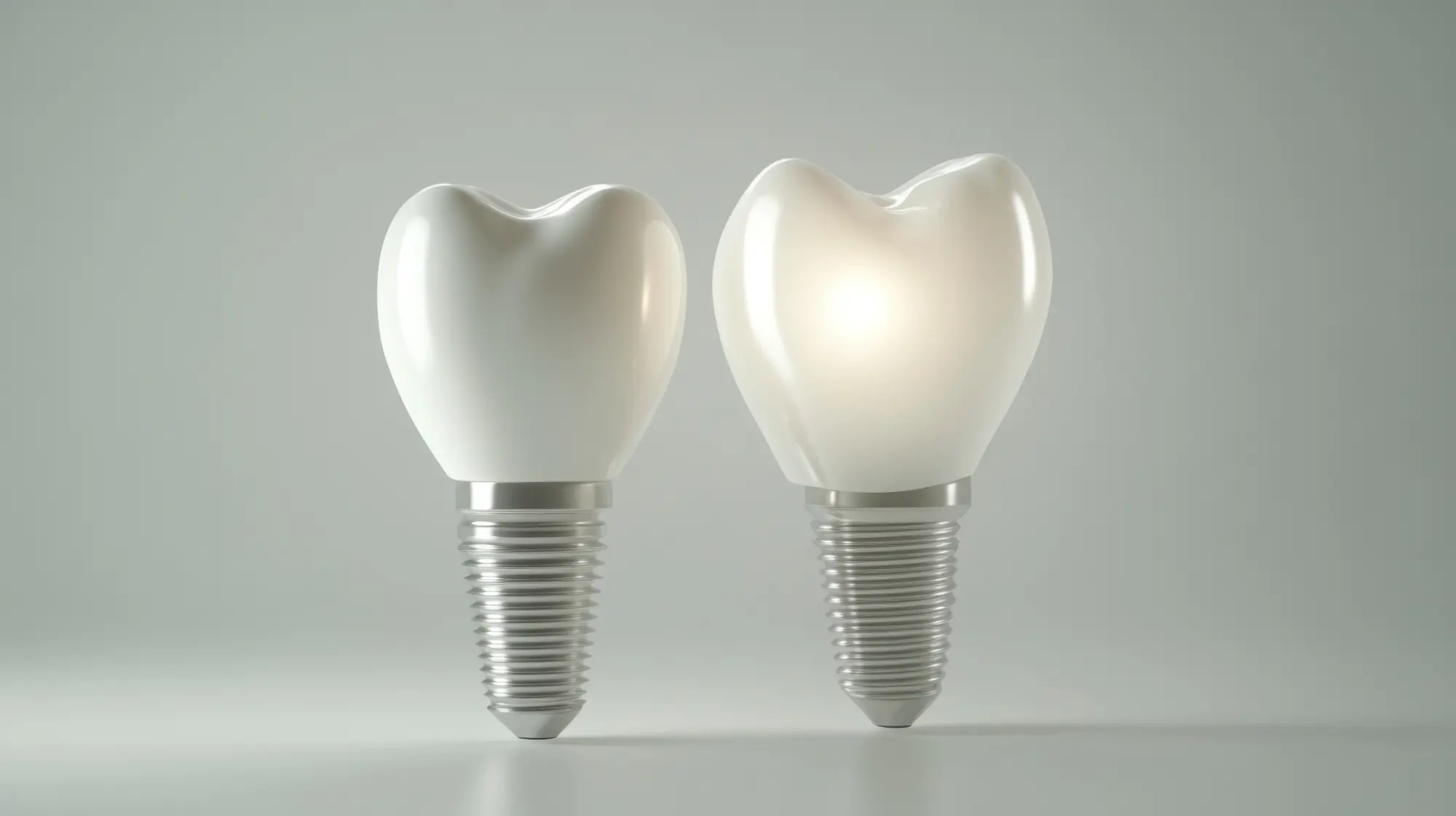
Why Dental Implants Fail, and How to Make Sure Yours Don't
Dental implants have one of the highest success rates of any surgical procedure in modern dentistry, yet failures do happen, and they are rarely random. Understanding what causes an implant to fail, and what can be done to prevent it, is just as important as understanding the benefits.
For patients researching dental implants in Fairfax, VA, this knowledge is the foundation of a confident, informed decision.

What Does Implant Failure Actually Mean?
Early vs. Late Failure
Implant failure falls into two categories depending on when it occurs. Early failure happens within the first few months, typically during osseointegration, while late failure can occur years after the implant has successfully integrated and is in full function.
The Most Common Warning Signs
Dental implants that are failing often present with persistent pain, swelling, mobility of the implant, or difficulty chewing that develops after a period of normal function. These signs should always prompt an immediate evaluation rather than a wait-and-see approach.
What Causes Dental Implants to Fail?
Peri-Implantitis
Peri-implantitis is the leading cause of late implant failure and is essentially gum disease around the implant site. The American Academy of Periodontology confirms that bacterial infection around implant tissue can destroy the bone supporting the implant if left untreated, making consistent oral hygiene non-negotiable after placement.
Insufficient Bone Density
Implants require adequate jawbone volume to fuse properly during osseointegration. When bone density is insufficient and grafting is not performed beforehand, the implant lacks the structural foundation needed to integrate and stabilize over time.
Medical Conditions That Increase Risk
Certain systemic conditions and habits significantly raise the risk of implant failure. These include:
- Uncontrolled diabetes, which impairs healing and immune response
- Smoking or tobacco use, which restricts blood flow to healing tissue
- Autoimmune conditions that affect tissue regeneration
- Osteoporosis, which reduces bone density throughout the body
- Long-term use of certain medications including bisphosphonates
Poor Placement or Treatment Planning
Implant success depends heavily on precise surgical placement, proper angulation, and thorough pre-treatment planning including imaging and bite analysis. Errors in placement can create uneven force distribution that compromises the implant over time.
How to Protect Your Implant Long-Term
Oral Hygiene Around Implants
Implants require the same diligent care as natural teeth, including twice-daily brushing, daily flossing or interdental cleaning, and consistent professional cleanings. Plaque accumulation around implant tissue is the primary driver of peri-implantitis.
The Role of Regular Dental Monitoring
Routine exams allow a provider to assess bone levels around the implant, check the integrity of the crown and abutment, and catch early signs of infection before they become irreversible. Skipping preventive dental visits is one of the most common factors in late implant failure.
Addressing Bite and Grinding Issues
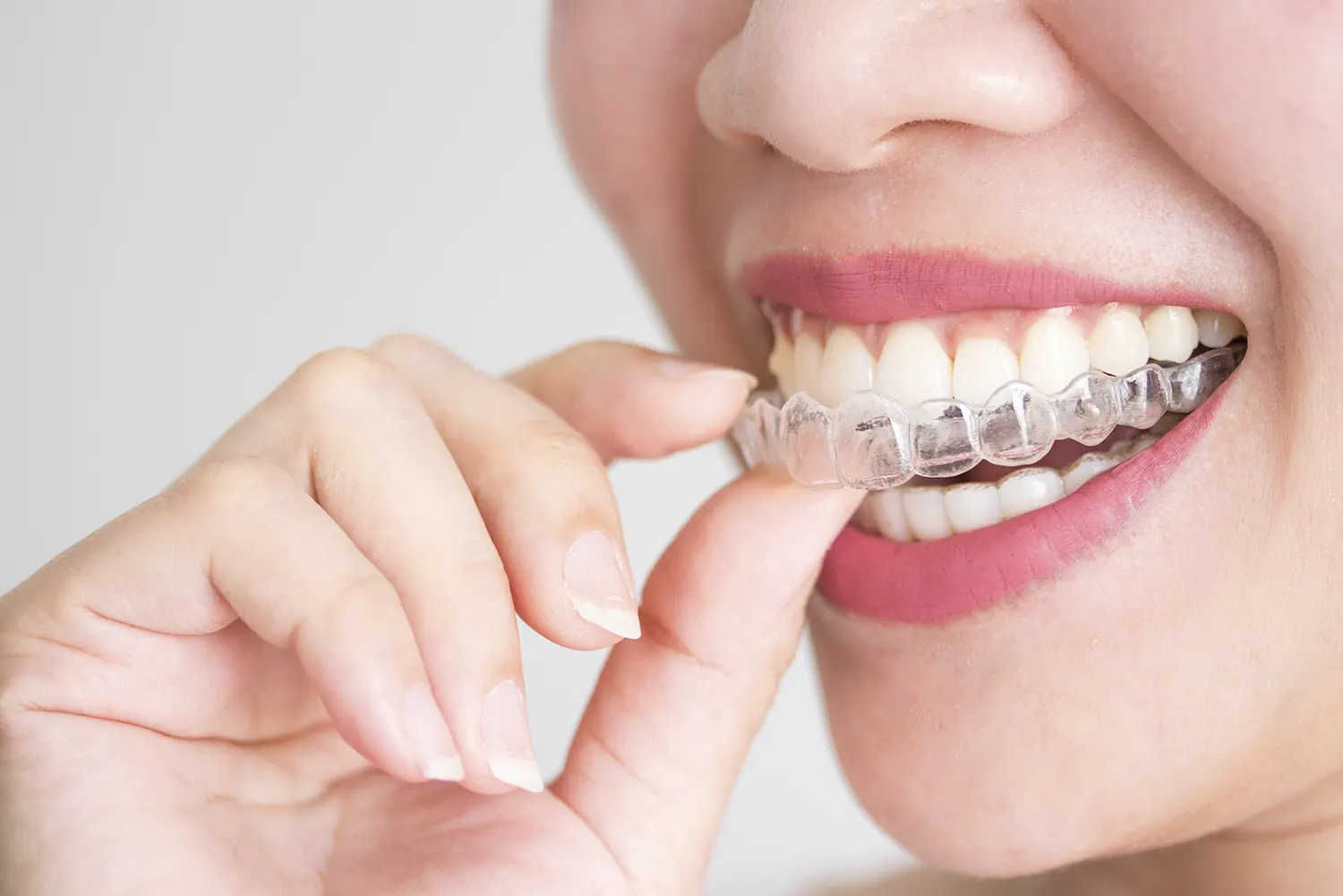
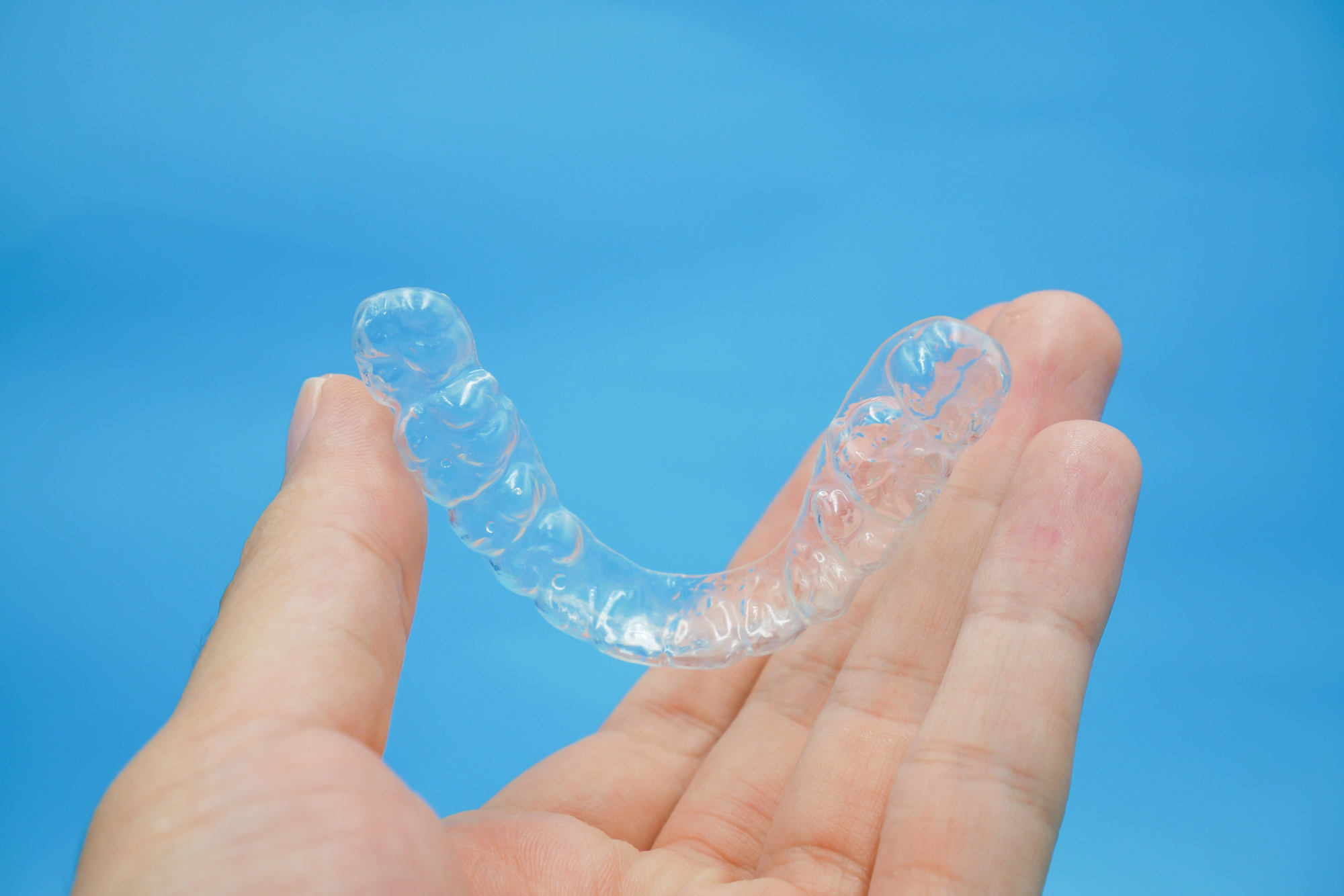
Patients who clench or grind their teeth place excessive force on implants, which can loosen the abutment or fracture the crown over time. Restorative interventions such as custom night guards are often recommended alongside implant placement for patients with bruxism.

Get Trusted Dental Implants in Fairfax, VA
At Vienna Smiles, Dr. Barakat and the team take a comprehensive approach to implant care, from thorough pre-surgical evaluation and precise placement to long-term monitoring and maintenance.
Every implant case begins with a detailed assessment of bone structure, medical history, and oral health to ensure the best possible foundation for lasting results. Schedule your consultation today and take the first step toward an implant that is built to last.



.png)